Your thermostat is set to heat, your furnace is running, but the air coming from your vents feels cold. When temperatures drop across Southern Ontario, this is the last thing you want to experience.
A furnace may blow cold air because of incorrect thermostat settings, a clogged air filter, overheating, ignition problems, blocked exterior vents, a clogged condensate drain, or faulty internal components. While a brief burst of cool air at startup can be normal, continuous cold airflow during a heating cycle usually indicates a problem.
The good news is that some of these issues are simple to identify. Others require professional attention. Knowing the difference can save you time, prevent unnecessary repairs, and help keep your home safe.
Is It Normal for a Furnace to Blow Cold Air?
Yes, but only under certain circumstances.
When your furnace first starts, the air already sitting inside your ductwork may be cooler than the air in your living space. It can take a short time for warm air to reach your vents.
You may also notice cooler airflow near the end of a heating cycle as the blower continues circulating air after the burners shut off.
However, your furnace may have a problem if:
- The air never becomes warm.
- Your furnace starts blowing warm air but quickly switches to cold air.
- Cold air continues coming from the vents while your home temperature drops.
- Your furnace repeatedly starts and stops without reaching the thermostat setting.
If any of these symptoms sound familiar, the following guide can help you understand what might be happening.
7 Reasons Your Furnace Is Blowing Cold Air
1. Your Thermostat Fan Is Set to ON Instead of AUTO
One of the simplest reasons for cold air coming from your furnace vents is an incorrect thermostat setting.
Most thermostats have two main fan settings:
- ON: The fan circulates air continuously, even when the furnace is not producing heat.
- AUTO: The fan generally operates as needed during heating or cooling cycles.
When the fan is set to ON, you may feel room-temperature air coming from your vents between heating cycles. This can make it seem as though your furnace is blowing cold air, even when it is working properly.
What to do: Make sure your thermostat is set to HEAT, select AUTO for the fan, and set the desired temperature above the current room temperature.
If your thermostat uses batteries, check whether they need replacing.
2. Your Furnace Has a Dirty or Clogged Air Filter
Your furnace needs adequate airflow to operate properly. Over time, dust, pet hair, and other airborne particles accumulate in the filter, restricting the amount of air moving through the system.
A severely clogged filter can cause the furnace to overheat. When this happens, a safety control may shut off the burners while the blower continues running to cool the equipment.
The result? Your furnace may blow warm air initially, followed by cooler air.
What to do: Turn off your furnace before inspecting the filter. Replace a dirty disposable filter with one that matches your system’s recommended size and specifications.
If the problem continues after replacing the filter, professional diagnosis may be necessary.
3. Your Furnace Is Overheating
A furnace that repeatedly switches from warm to cold air may be experiencing overheating.
Modern furnaces have safety controls designed to interrupt heating when internal temperatures become excessive. Although a clogged filter is a common contributing factor, overheating can also result from:
- Restricted supply or return airflow
- Blower motor problems
- Obstructions within the system
- Other mechanical or airflow issues
Repeated overheating is not something to ignore. It can place additional stress on internal components and eventually lead to a complete breakdown.
What to do: Make sure furniture, rugs, and household items are not blocking your supply vents or return air grilles. If your furnace continues to overheat or shut down, turn it off and arrange professional service.
Still Blowing Cold Air? Let Us Help.
If you’ve checked your thermostat and air filter but your furnace still isn’t heating properly, our team can help identify the problem and restore your home’s comfort.
Schedule Furnace Repair or call us at 800-727-0750.
4. Your Furnace Has an Ignition Problem
If your gas furnace is running but never produces warm air, the ignition system may be responsible.
Modern gas furnaces typically use electronic ignition systems, while some older models use standing pilot lights.
When the ignition system fails, the burners may not ignite or may shut down shortly after starting. Depending on the furnace design, the blower may continue circulating unheated air.
Possible causes include a malfunctioning igniter, a flame detection problem, or an issue with the gas supply.
What to do: Contact a qualified HVAC technician. Avoid attempting to repair gas valves, burners, igniters, or other combustion components yourself.
5. Snow or Ice Is Blocking Your Furnace Vent
This is an important consideration for homeowners during Ontario winters.
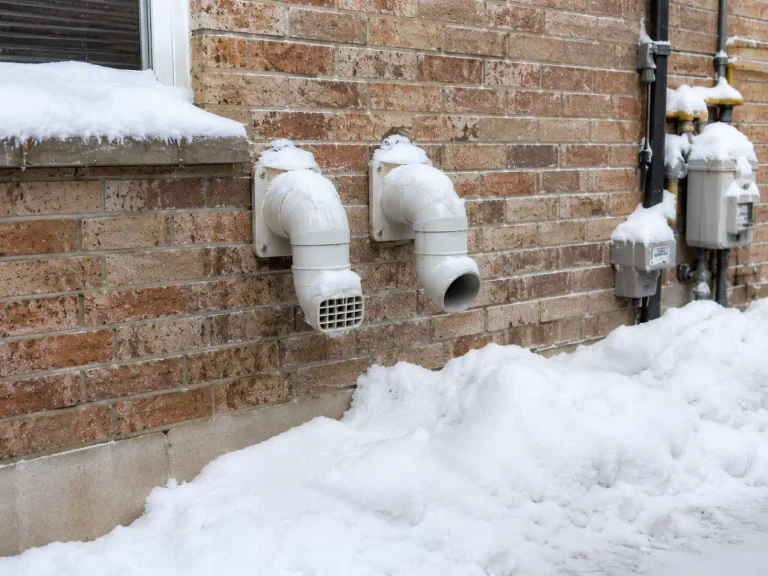
Many high-efficiency gas furnaces use exterior pipes for combustion air intake and exhaust. These pipes can become obstructed by accumulated snow, ice, or drifting snow following a winter storm.
A blocked vent can interfere with furnace operation and cause the system to enter a safety shutdown.
More importantly, blocked exhaust vents can create a serious carbon monoxide hazard.
Ontario’s Technical Standards and Safety Authority (TSSA) recommends checking exterior appliance vents and gas meters after heavy snowfall.
What to do: If it is safe to do so, visually inspect accessible exterior vents. Gently remove loose snow using a soft brush or broom. Never use sharp tools, strike the pipes, or attempt to dismantle the venting system.
If ice is firmly attached, the vent appears damaged, or your furnace continues malfunctioning, contact a professional. Do not operate the furnace with a blocked vent.
6. Your Furnace Has a Clogged Condensate Drain
High-efficiency condensing furnaces produce moisture as part of their normal heating process. This moisture is collected and removed through a condensate drainage system.
If the drain becomes blocked or a condensate pump malfunctions, some furnaces may interrupt heating or enter a safety shutdown.
You might notice:
- Water collecting around the furnace
- Warm air followed by cold airflow
- Unexpected heating interruptions
- An error code displayed by the furnace
What to do: Look for visible water accumulation around the equipment without removing any access panels. If you suspect a drainage problem, arrange a professional inspection.
7. A Furnace Sensor or Internal Control Is Malfunctioning
Your furnace relies on several components working together to deliver heat safely and consistently.
A faulty flame sensor, temperature limit switch, control board, or another internal component can interrupt the heating cycle.
For example, a flame sensor that cannot properly detect a burner flame may cause the furnace to stop heating shortly after ignition.
A malfunctioning control board may also interfere with the operation of the furnace’s heating and blower components.
What to do: If you have already checked your thermostat, filter, and accessible vents without resolving the problem, schedule a professional diagnosis. Internal electrical and safety components should be inspected by a qualified technician.
Quick Troubleshooting Guide: What Is Your Furnace Doing?
The timing and pattern of cold airflow can provide useful clues about what is happening inside your heating system.
| What You Notice | Possible Cause | Recommended Action |
|---|---|---|
| Cool air briefly at startup | Cool air inside the ductwork | Allow the heating cycle to begin normally |
| Cool air between heating cycles | Thermostat fan set to ON | Switch the fan setting to AUTO |
| Warm air followed by cold air | Restricted airflow or overheating | Inspect the filter and arrange service if the issue continues |
| Cold air after heavy snowfall | Blocked exterior intake or exhaust vent | Check accessible exterior vents safely |
| Furnace runs but never heats | Ignition or gas supply problem | Contact an HVAC technician |
| Water collecting near the furnace | Condensate drainage issue | Schedule a professional inspection |
| Repeated heating interruptions | Safety control or internal component problem | Turn off the furnace and arrange service |
These symptoms are useful starting points, but they do not confirm a specific diagnosis. Several furnace problems can produce similar symptoms.
No Heat? We’re Here 24/7.
A furnace breakdown shouldn’t leave your family in the cold. Hy-Mark provides 24/7 emergency heating services for homeowners in Guelph, Kitchener, Cambridge, and surrounding communities.
Call Now: 800-727-0750
Prefer to reach us online? Fill out our service request form and let us know how we can help.
What Can You Safely Check Before Calling an HVAC Technician?
If your furnace is blowing cold air and there are no signs of an immediate safety hazard, try these basic checks:
- Confirm that your thermostat is set to HEAT.
- Set the thermostat fan to AUTO.
- Check whether the thermostat temperature is higher than the current room temperature.
- Turn off the furnace before inspecting the filter and replace it if necessary.
- Make sure supply vents and return air grilles are unobstructed.
- Visually check accessible outdoor furnace vents for snow or ice.
- Record any error codes visible without removing furnace panels.
If the furnace continues blowing cold air after these checks, avoid repeatedly resetting or restarting the equipment.
A furnace that repeatedly shuts down may be responding to an underlying problem. Resetting it does not necessarily resolve the cause.
When Should You Turn Off Your Furnace and Call for Help?
Not every furnace problem is an emergency, but some warning signs require immediate attention.
Turn off your heating system, if safe to do so, and contact a qualified HVAC technician if you notice:
- Persistent burning or electrical odours
- Unusual banging, grinding, or screeching noises
- Repeated overheating or shutdowns
- Water leaking around electrical components
- A continuous loss of heat during freezing weather
If your home is losing heat rapidly during extremely cold weather, arrange urgent service to protect your household and reduce the risk of frozen pipes.
Important safety reminder: If you smell natural gas, suspect a gas leak, or your carbon monoxide alarm sounds, leave your home immediately. Do not operate the thermostat, electrical switches, or other equipment. From a safe location outside, call 911. For a suspected natural gas leak, contact your gas utility as well.
Visit Enbridge Gas’s carbon monoxide safety guide for additional safety information.
Why Furnace Problems Become More Noticeable During Ontario Winters
A furnace that appears to work adequately during mild fall weather may begin struggling when outdoor temperatures drop.
For homeowners in Guelph, Kitchener, and Cambridge, the transition from relatively mild November afternoons to freezing overnight temperatures can make existing heating problems more noticeable.
Longer heating cycles can expose airflow restrictions, ignition issues, and worn components that might otherwise go unnoticed. Snow accumulation around exterior vents can introduce additional problems, particularly for high-efficiency furnaces.
If your furnace is already showing signs of inconsistent heating, addressing the problem early is often better than waiting for the coldest days of winter.
Regular professional furnace maintenance can help identify developing problems and reduce the risk of unexpected heating interruptions.
Frequently Asked Questions
Why is my furnace blowing cold air even though the thermostat is set to heat?
Your thermostat fan may be set to ON, or your furnace may have an airflow restriction, ignition issue, or malfunctioning internal component. Start by checking the thermostat’s fan setting and the furnace filter.
Why does my furnace blow warm air and then cold air?
This can happen when your furnace overheats and temporarily shuts off its burners while the blower continues running. A clogged filter, restricted airflow, or malfunctioning component may be responsible. Brief cooler airflow at the end of a normal heating cycle, however, is not necessarily a problem.
Can a dirty furnace filter cause cold air?
Yes. A heavily clogged filter can restrict airflow, leading to overheating and activation of the furnace’s safety controls. The burners may shut down while the blower continues circulating air.
Why is my furnace blowing cold air at night?
If the problem occurs mainly at night, check your programmable thermostat’s schedule and fan settings. Colder overnight temperatures may also expose existing heating or airflow problems that are less noticeable during the day.
Should I turn off my furnace if it is blowing cold air?
Brief cool airflow at startup or shutdown can be normal. However, if your furnace continuously blows cold air, repeatedly shuts down, or shows signs of overheating, turn it off if safe to do so and contact an HVAC technician.
Does a furnace blowing cold air need to be replaced?
Not necessarily. Many cold-air problems can be resolved by correcting thermostat settings, replacing a filter, or repairing a faulty component. A professional assessment can help determine whether repair or replacement is the more appropriate option.
Get Your Furnace Blowing Warm Air Again with Hy-Mark
Your furnace should keep your home comfortable, not leave you wondering why the temperature keeps dropping.
If you have checked your thermostat, replaced a dirty filter, and your furnace is still blowing cold air, it may be time for a professional inspection.
At Hy-Mark Home Comfort, we help homeowners in Guelph, Kitchener, Cambridge, and surrounding communities identify heating problems and find the right solution for their homes. Whether you need a routine repair or 24/7 emergency heating assistance, our team is here to help.
Don’t wait for the next cold snap. Get your heating system checked and enjoy a warm, comfortable home throughout the winter.
Schedule Your Furnace Repair Today
Call us at 800-727-0750 or request service online.