The “activate windows watermark” can be a persistent annoyance for users who encounter activation issues. It appears as a constant reminder on your desktop, indicating that Windows is not properly activated. Unfortunately, resolving this issue isn’t always straightforward, and there are several common mistakes that users make when attempting to deal with it. Understanding these pitfalls can help you achieve a seamless activation process.
Understanding the “Activate Windows Watermark” Prompt
One of the most frequent mistakes users make is ignoring the persistent “activate windows watermark.” Users often assume it’s a minor issue and continue using their systems without addressing the underlying cause. However, failing to tackle this prompt can lead to limited functionality, including restrictions on personalization settings such as changing wallpapers or themes. Addressing the activation reminder promptly ensures your system remains fully operational and allows you to enjoy all Windows features without interruption.
Ignoring this watermark can also result in continuous notifications from Windows reminding you about activation. These notifications can be intrusive and disrupt your workflow. Therefore, taking immediate action to resolve the activation status is beneficial for both productivity and peace of mind.
Using Unreliable Tools Like KMSpico
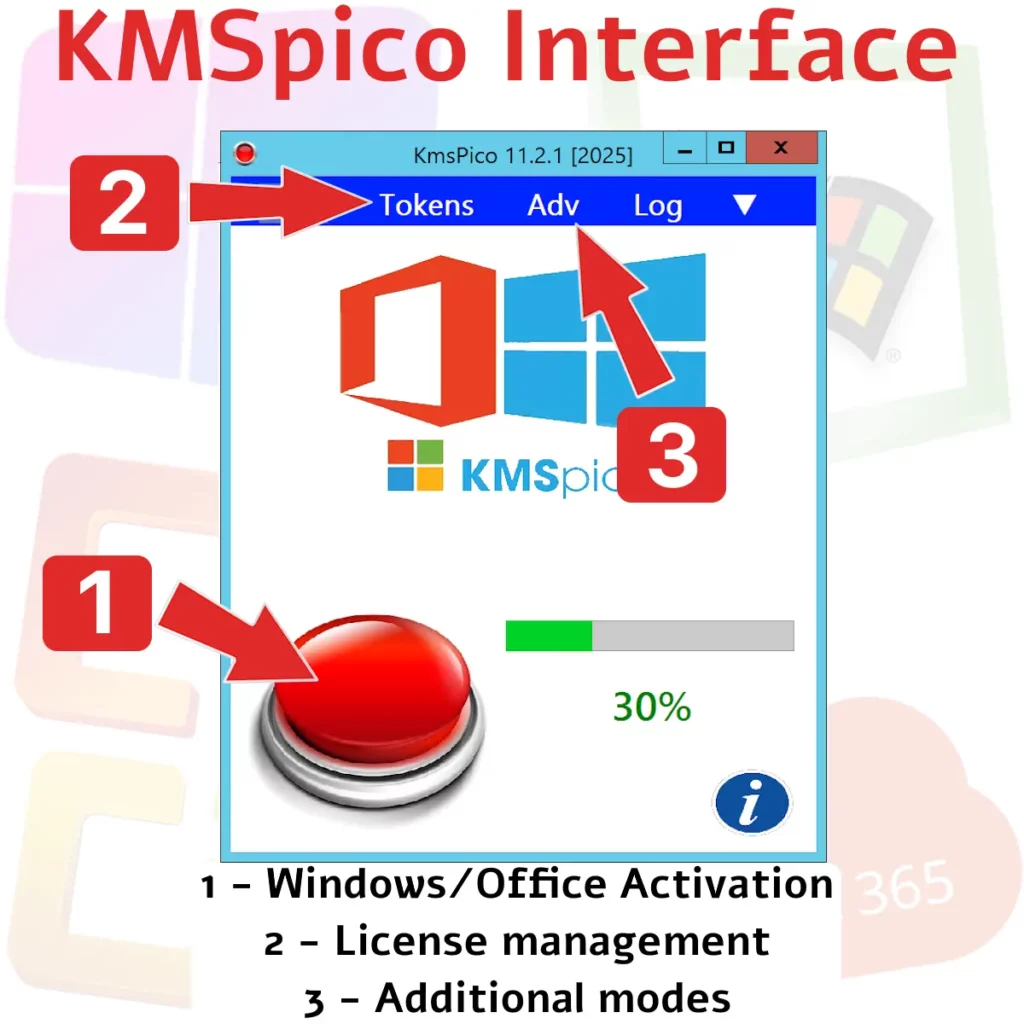
Many users turn to unofficial tools such as KMSpico or windows 10 pro activator in hopes of quickly bypassing the activation process. While these tools may seem convenient, they pose significant security risks. Not only do they violate Microsoft’s licensing agreements, but they can also introduce malware into your system, leading to potential data breaches or system instability. Instead of taking shortcuts, consider legitimate solutions such as contacting Microsoft support or using official activation methods provided by Microsoft.
Mishandling KMS Activator for Office 2019
When dealing with office activation issues alongside the activate windows watermark, some users incorrectly use KMS activator intended for Office 2019 on Windows operating systems. Each product requires specific activation procedures, and mixing them up can lead to further complications and software malfunctions. Always ensure you’re using the correct activator for the respective software suite to avoid unnecessary headaches and ensure smooth software operation.
The Role of Built-in Commands like DISM
The Deployment Image Servicing and Management (DISM) tool is a valuable utility that many overlook when faced with an activate windows watermark. DISM can repair system files and restore your system’s health, often correcting underlying issues causing activation failures. Running commands like DISM /Online /Cleanup-Image /RestoreHealth can resolve some problems without needing external software. This command checks for corruption within system files and repairs them automatically, which could be the root cause of persistent activation prompts.
Overlooking System Notifications and Prompts
Activation issues are often accompanied by various system prompts and windows notifications that provide clues about what might be wrong. Users tend to dismiss these notifications without considering their content or implications. Paying close attention to any license notifications or error messages can guide you toward effective solutions. These messages often contain error codes or descriptions that can be used in support forums or with technical assistance to narrow down the problem more efficiently.
Mistaking Lab Constraints for Activation Problems
In environments such as VMs with 2 vCPU and 4 GB RAM, performance limits may mimic symptoms similar to activation problems, complicating diagnosis efforts. Always verify system configurations before concluding that an activate windows watermark is solely an activation issue. Ensure that resource allocation meets the minimum requirements for smooth operation; otherwise, performance bottlenecks could be mistaken for software-related issues.
Mishandling Activation in Virtualized Environments
Activating Windows in virtualized environments can require different procedures compared to physical machines. Users often forget that tools like akitvasl windows 10 kmspico might not function properly in virtual setups due to unique hardware identifiers associated with virtual machines. Ensuring that you follow virtualization-specific guidelines will prevent unexpected hurdles during the activation process. Properly configured virtual machine settings are critical for successful activation.
Neglecting Proper Timing of Snapshots
A common practice is taking snapshots of a virtual machine at inappropriate times – either before initial installation or during unresolved activation states. Proper snapshot timing ensures that you don’t revert back to a state where an activate windows watermark persists despite having rectified it previously. Carefully planning when snapshots are taken helps maintain progress in troubleshooting scenarios without repeating past errors.
Poor Documentation Practices During Troubleshooting
When encountering activation issues, poor documentation practices mean users often repeat unsuccessful strategies because they haven’t recorded what they’ve tried before. Keeping detailed notes helps avoid redundant steps and highlights successful approaches in resolving the activate windows watermark effectively. Documenting each step taken provides a clear path forward and assists in identifying patterns or recurring problems that need addressing.
Conclusion: Ensure Legitimacy and Accuracy
Navigating around an activate windows watermark requires accuracy and adherence to legitimate methods. Avoid common pitfalls by using reliable tools and respecting Microsoft’s licensing agreements. Remember, every step taken towards resolving these issues should maintain system integrity and security while ensuring compliance with software usage terms.